
Buildings have a human impact. How far does yours reach?
From the labor you source to the manufacturers you choose and the communities you touch, your building leaves a lasting impression. SEAM was created to make it a positive one.
Our purpose
When buildings are
designed and operated
with people as a focus, communities thrive and investments outperform.
 is the world's first standard built to advance social equity in commercial real estate.
New to the idea? Start with what social sustainability means in the built environment.
Who your building touches
A building is bigger than its walls.
Every project impacts people. SEAM is the only standard that accounts for all of them.


1 of 6
Occupants
The people who live, work, and gather here every day.
Indoor air, access, affordability, and belonging shape their experience and long-term health. Most standards start here. SEAM starts here too, then keeps going.

2 of 6
Operators
The people who keep it running.
Facility teams, custodial staff, security. They maintain the space, often invisibly. How they’re trained, paid, and treated is part of the building’s performance.

3 of 6
Builders
The people who built it.
Construction is one of the most dangerous industries in the world. Safety, fair wages, and labor conditions on the jobsite are the building’s first chapter.

4 of 6
Neighbors
The people who live alongside it.
A building changes the block — traffic, shadows, rents, and who feels welcome. The surrounding community is an impacted party whether or not they were consulted.

5 of 6
Suppliers
The people who source and ship what goes into it.
Manufacturers, fabricators, drivers. A building is assembled from thousands of decisions made in places the owner will never visit. Each carries a labor record.

6 of 6
Laborers
The people at the very beginning of the chain.
Mines, forests, mills, factories — often far from sight, beyond easy oversight. Fair labor at the raw-material level is where real accountability begins.

Diverse executive teams
39%more likely to outperform
McKinsey, 2023

Certified buildings
4–8%rent premium
CBRE, 2024

Inclusive workplaces
51%lower turnover
Gallup Q12

Tenant satisfaction
8.6%lease renewal lift per point
MIT Center for Real Estate

Full building certification
Prove your building makes life better for the people it touches — from the workers who built it to the community around it.

Activity-level verification
Not ready for full certification? Start with one verified activity (Single Mark) or a bundle of 3 (Bulk Marks) and build from there.


Thematic recognition
A thematic recognition awarded for completing 12–26 related activities. Between Marks and full Certification.

Professional accreditation
Become the person organizations call when they want to get social equity right. Lead projects, grow your practice.

SEAM Membership
Connect with practitioners doing this work across the industry. Events, peer groups, and tools — at every career stage.
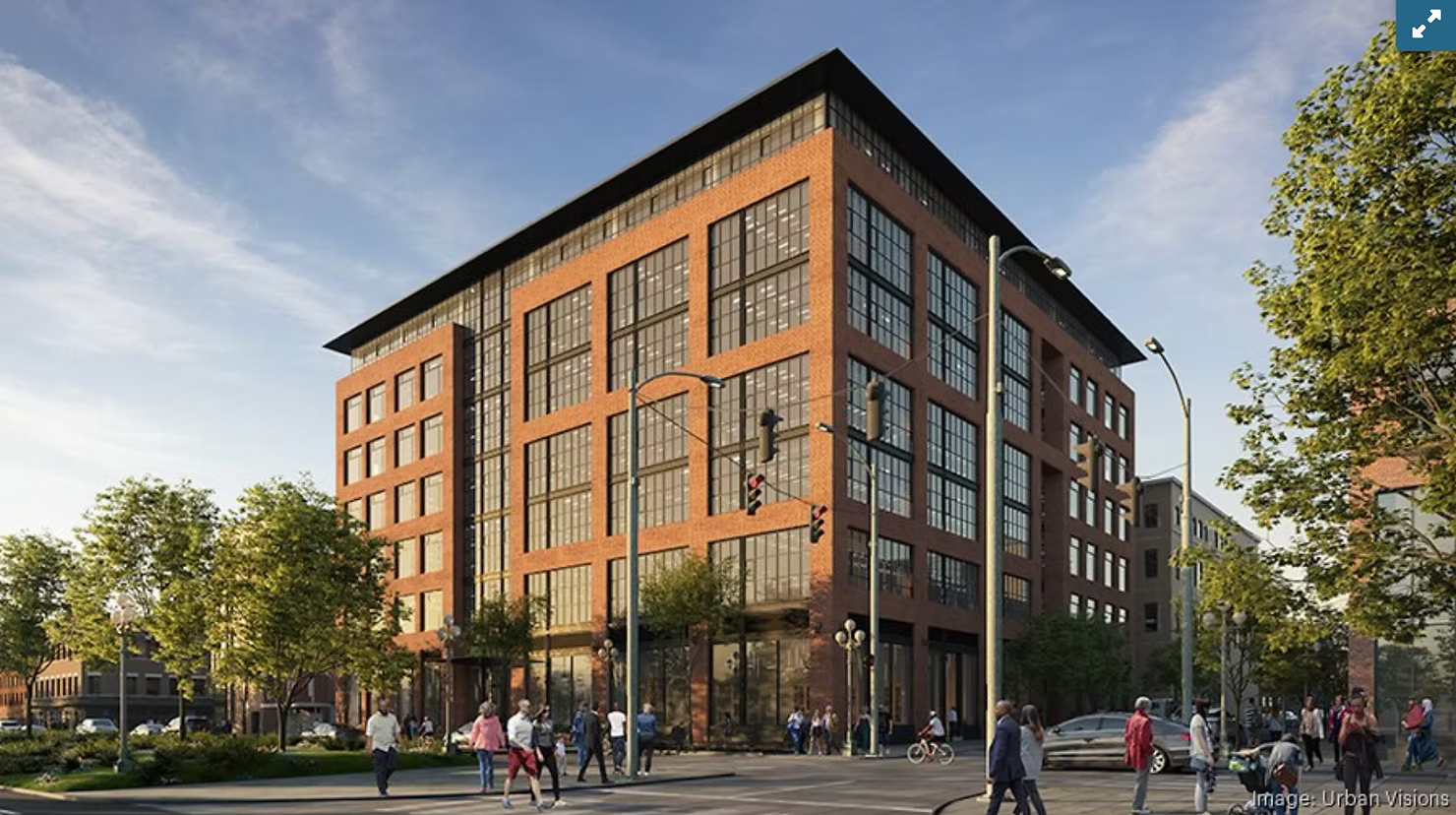
The Jack
Seattle, WA
A mixed-use building in Seattle's Pioneer Square — the first project in the world to achieve SEAM Certification. Urban Visions engaged more than 1,000 community voices to shape the project, and every contractor incorporated human rights requirements into their contracts.

Bertschi School — Schoolhouse
Seattle, WA
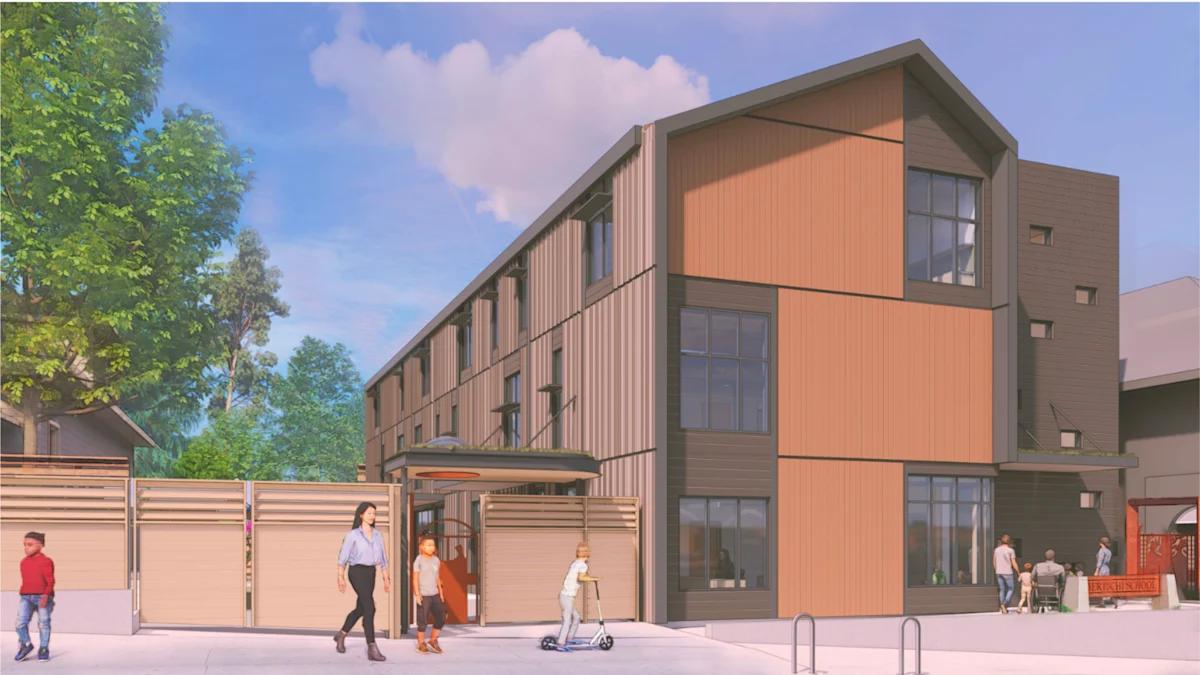
Bertschi School is pursuing SEAM Silver for its new 49,384 SF Schoolhouse — aiming to be the first school to achieve the credential. Students have been integral to the planning process from the very beginning.


Open Membership
Free to join. Show up, learn, and find your people in social equity.
Enroll for free →The SEAM Standard
Four pillars, 50+ activities, zero cost. Read the framework everyone is talking about.
Download →
ROSSI Calculator
Put a dollar figure on doing the right thing. The business case, quantified.
Try ROSSI →Blog & Insights
What we are learning from the first wave of certified projects — and what comes next.
Read →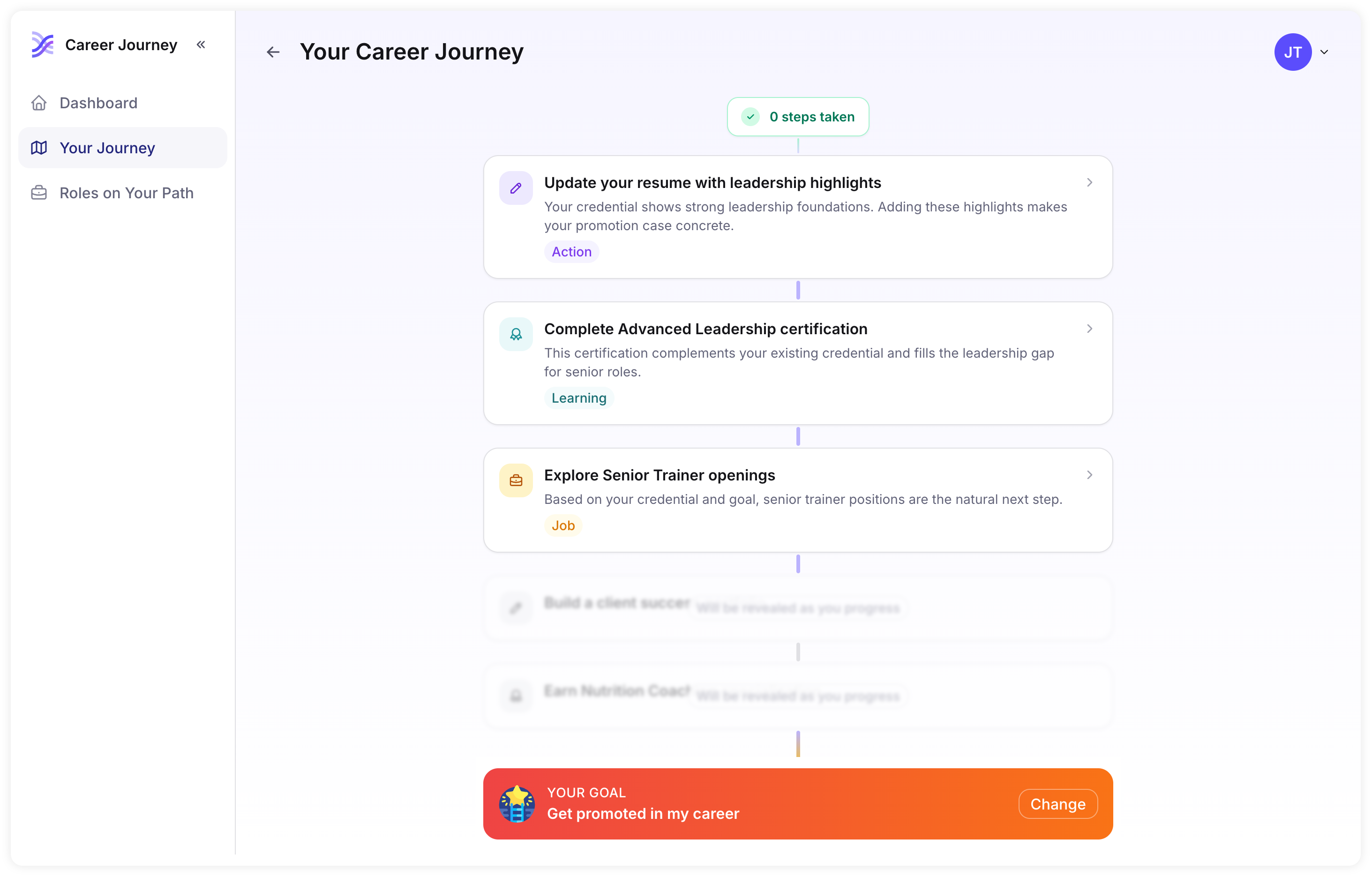
Practitioner Perspectives
Career Journey: What to Do After Earning Your SEAM AP
Accredible, the platform that powers our SEAM AP digital credential, just launched Career Journey, a free career guidance experience that activates directly from your credential. Here is how SEAM APs can use it to find matching roles, see salary data, and turn the credential into a clear next step.
News
SEAM expands executive leadership team to accelerate growth and operational scale
SEAM, Inc. appoints a Chief Operating Officer and Chief Marketing Officer, signaling the organization's next phase of operational maturity as it scales certification and the AP credential worldwide.

The Standard
Pursuing LEED? That gives you a head start in SEAM Certification
SEAM has developed a crosswalk mapping three LEED Social Equity Pilot Credits to specific SEAM activities — showing where your LEED efforts translate into a head start within SEAM Certification.
Ready to build something worth belonging to?
Whether you are certifying a building, earning a credential, or exploring the SEAM Standard for the first time, we'll help you find the place you belong.